



Ingeniería genética
en agricultura
Ingeniería genética en la agricultura
Las tecnologías genéticas avanzan rápidamente, pero la supervisión gubernamental no ha seguido el mismo ritmo.
Esto es más que un cambio científico. Se trata de transferir el control de nuestro sistema alimentario, el medio ambiente y la salud pública a manos de un pequeño número de corporaciones.
La ingeniería genética en la agricultura se desarrolla y utiliza a menudo para aumentar los beneficios empresariales, mientras que los riesgos ambientales, biológicos y sociales se dejan en manos del público y del planeta.
A pesar de las afirmaciones de la industria sobre la precisión de estas tecnologías, la ingeniería genética puede provocar cambios inesperados en el ADN de un organismo que podrían tardar años en comprenderse. Una vez que los organismos modificados genéticamente se liberan al medio ambiente —especialmente aquellos que pueden reproducirse y propagarse—, estos efectos podrían ser irreversibles.
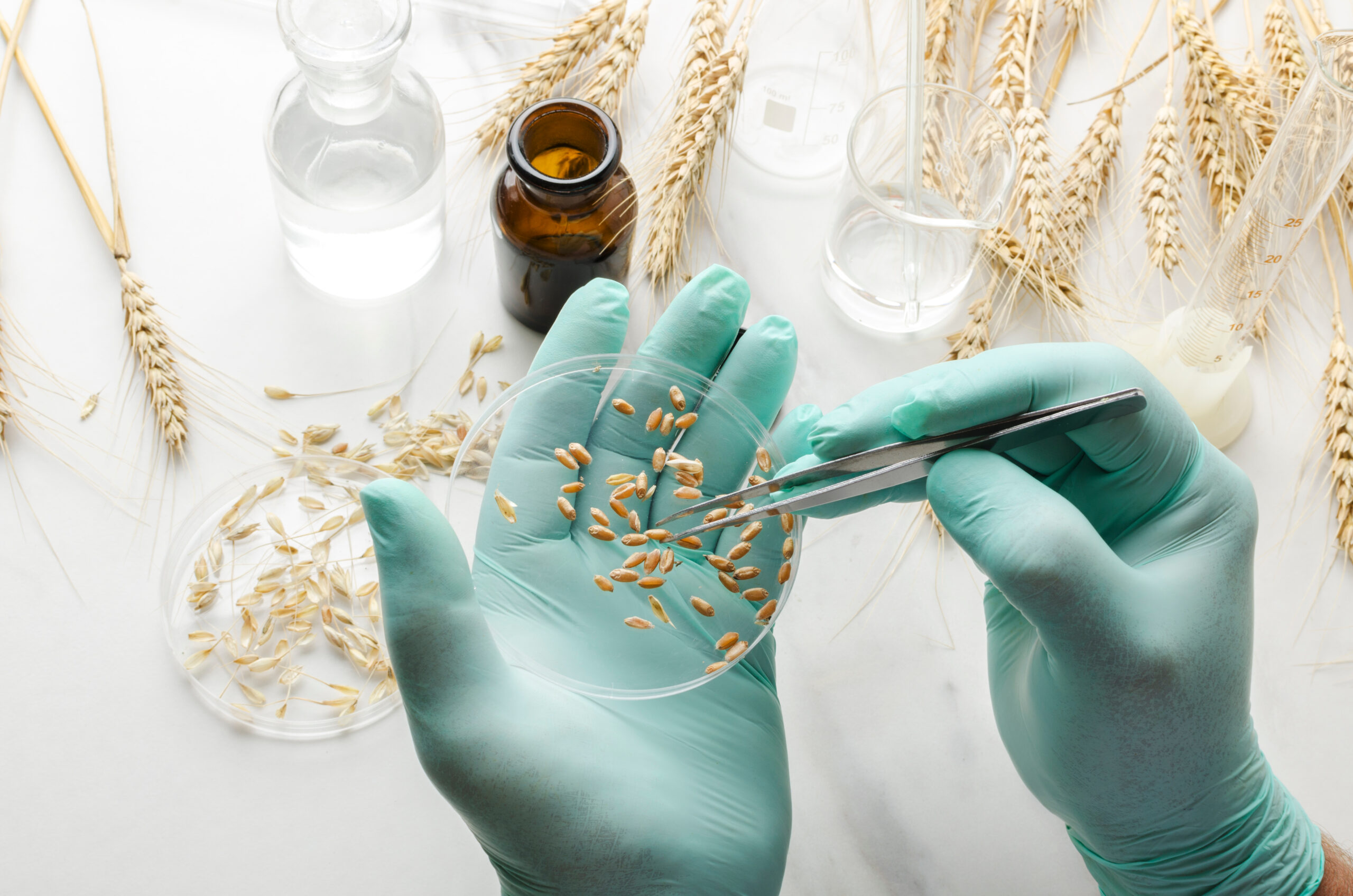
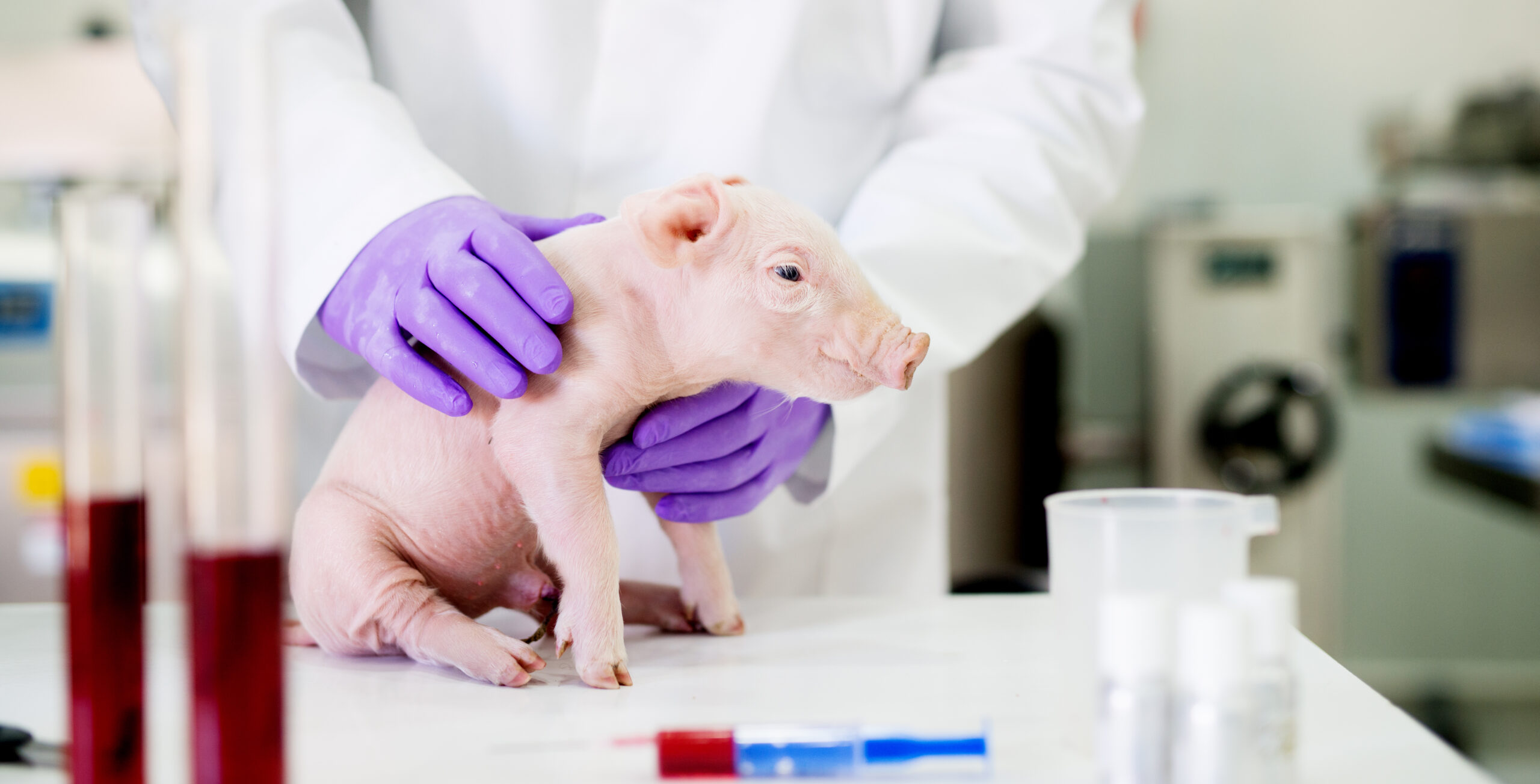

Conozca nuestra campaña.
La ingeniería genética es el proceso de modificar el material genético de un organismo para conferirle características específicas. En la agricultura, se puede utilizar para modificar cultivos y otros organismos de maneras que no se darían de forma natural.
La ingeniería genética puede utilizarse para desarrollar cultivos con rasgos o características específicas. Estas tecnologías se están desarrollando y utilizando cada vez más en la agricultura, a menudo mediante productos y tecnologías controlados y patentados por grandes corporaciones.
No. Si bien la industria suele describir la ingeniería genética como precisa, modificar el material genético de un organismo puede provocar cambios no deseados en otras partes de su genoma. Los efectos de estos cambios podrían no comprenderse completamente hasta dentro de varios años.
Algunos organismos modificados genéticamente pueden reproducirse y propagarse en la naturaleza. Si provocan efectos ambientales o biológicos inesperados, revertirlos una vez liberados puede resultar difícil, o incluso imposible.
La organización Amigos de la Tierra está preocupada porque la ingeniería genética avanza más rápido que la supervisión pública y porque las decisiones sobre estas tecnologías están cada vez más influenciadas por corporaciones con intereses financieros en su desarrollo y uso.
Los posibles riesgos ambientales, biológicos y sociales no deben dejarse en manos del público y del planeta.
Amigos de la Tierra apoya una fuerte supervisión pública y la principio de precaución — la idea de que debemos prevenir los daños potenciales antes de que ocurran, especialmente cuando las consecuencias podrían ser graves o irreversibles.
Las decisiones sobre si estas tecnologías se utilizan y cómo se utilizan deben tomarse de forma transparente, con una participación pública significativa, en lugar de dejarse principalmente en manos de las corporaciones.
La agricultura orgánica ofrece una alternativa agrícola que prohíbe los transgénicos y los pesticidas tóxicos. Friends of the Earth apoya la agricultura orgánica como parte de un sistema alimentario que prioriza la salud ambiental, el bienestar de los agricultores y trabajadores, y la rendición de cuentas pública.
Amigos de la Tierra aboga por una supervisión pública rigurosa de la ingeniería genética en la agricultura, mayores medidas de protección y un mayor control democrático sobre cómo se evalúan, aprueban y utilizan estas tecnologías. Asimismo, trabajamos para fortalecer las políticas basadas en el principio de precaución a nivel estatal, nacional e internacional.
Medios de comunicación
Recursos
Formas de apoyar nuestro trabajo

Lea las últimas noticias
Manténgase informado e inspirado. Lea nuestros últimos comunicados de prensa para descubrir cómo estamos contribuyendo al planeta.

Vea nuestro impacto
Vea las verdaderas victorias que su apoyo hizo posibles. Lea sobre los triunfos de campaña por los que hemos luchado y ganado juntos.

Dona hoy
Contribuye a impulsar el cambio. Se necesita el apoyo de defensores del medio ambiente como tú para construir un mundo más sano y justo.