

Why Is Industrial Animal Agriculture Bad for the Environment?
Industrial animal agriculture has become one of the most significant drivers of climate change, deforestation, biodiversity loss, and pollution worldwide. While food production is essential, today’s industrial livestock system requires vast amounts of land, water, energy, and feed to produce meat, dairy, and eggs. These practices contribute to greenhouse gas emissions, degrade ecosystems, contaminate waterways, and threaten public health.
Friends of the Earth is working to transform our food system by fighting factory farming, supporting sustainable agriculture, and advancing policies that protect people, animals, and the planet.
How Does Industrial Animal Agriculture Impact the Environment?
The environmental impacts of industrial animal agriculture extend far beyond the farm. Every stage of production — from growing feed crops to raising livestock, transporting animals, processing meat, and managing manure — creates pollution and consumes natural resources.
The biggest environmental impacts include:
- Climate-changing greenhouse gas emissions
- Deforestation and destruction of wildlife habitat
- Excessive land use
- Water consumption and freshwater depletion
- Water pollution from manure and fertilizer runoff
- Air pollution
- Soil degradation
- Ocean dead zones caused by nutrient pollution
Together, these impacts make industrial animal agriculture one of the largest contributors to environmental degradation worldwide.
1. Animal Agriculture Accelerates Climate Change
Animal agriculture produces greenhouse gases throughout the food supply chain.
These emissions come from several sources:
- Methane released by cattle and other ruminant animals during digestion
- Methane and nitrous oxide from manure storage
- Carbon dioxide from producing, processing, refrigerating, and transporting meat
- Fertilizer used to grow feed crops like corn and soy
Methane deserves particular attention because although it traps significantly more heat than carbon dioxide over the short term, it is relatively short-lived in the atmosphere. Reducing methane emissions is one of the fastest ways to slow global warming.
Industrial livestock production also depends heavily on fossil fuels for fertilizer production, farm equipment, feed transportation, refrigeration, and meat processing.
2. Animal Agriculture Drives Deforestation
Around the world, forests are cleared to make room for cattle grazing and to grow feed crops for livestock.
When forests disappear:
- Wildlife loses critical habitat.
- Carbon stored in trees is released into the atmosphere.
- Rainfall patterns change.
- Ecosystems become less resilient to climate change.
Protecting forests is one of the most effective climate solutions, making the expansion of industrial livestock production particularly concerning.
3. Livestock Production Uses Vast Amounts of Land
Animal agriculture is one of the most land-intensive forms of food production.
Large areas of farmland are used not to grow food directly for people, but to grow feed for livestock.
This creates several environmental challenges:
- Expansion into forests and grasslands
- Soil erosion
- Habitat destruction
- Reduced carbon storage
- Greater demand for fertilizers and pesticides
Producing plant foods generally requires far less land than producing meat and dairy.
4. Animal Agriculture Pollutes Water
Industrial livestock operations generate enormous quantities of manure.
When manure isn’t properly managed, nutrients like nitrogen and phosphorus can enter nearby waterways.
This pollution contributes to:
- Harmful algal blooms
- Fish kills
- Contaminated drinking water
- Dead zones in lakes and coastal waters
- Increased water treatment costs
Feed crop production also contributes fertilizer runoff that worsens water pollution.
5. Factory Farms Pollute the Air
Many people don’t realize that industrial animal agriculture is also a major source of air pollution.
Large livestock operations release:
- Ammonia
- Methane
- Hydrogen sulfide
- Dust and particulate matter
- Odor-causing compounds
These pollutants can affect nearby communities, farmworkers, and rural residents while contributing to climate change.
6. Animal Agriculture Consumes Large Amounts of Freshwater
Producing meat and dairy requires water throughout the production process.
Water is needed for:
- Growing feed crops or watering pasture
- Drinking water for livestock
- Cleaning facilities
- Meat processing
As droughts become more common, improving water efficiency in our food system becomes increasingly important.
Why Is Factory Farming Especially Harmful?
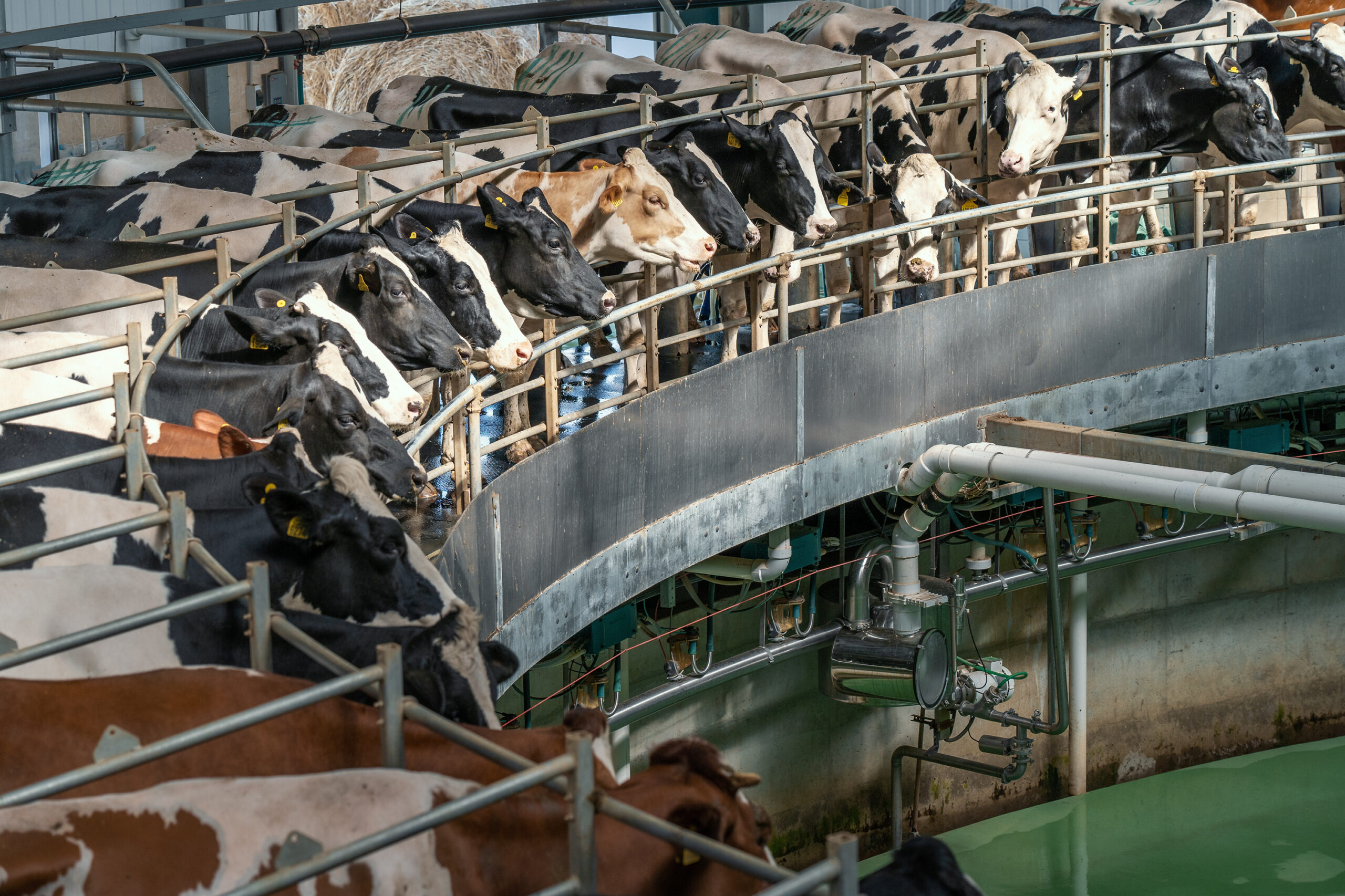
Factory farms, also known as concentrated animal feeding operations (CAFOs), intensify many of the environmental impacts of animal agriculture by concentrating thousands — or even millions — of animals in a single location.
Compared with pasture-based, diversified farms, factory farms often produce:
- Larger manure lagoons
- Greater methane emissions
- Higher ammonia pollution
- Increased water contamination
- More odor complaints
- Greater public health concerns for nearby communities
Friends of the Earth advocates for policies that shift away from factory farming while supporting farmers transitioning toward more sustainable agricultural practices.
Solutions: Building a Better Food System
Reducing the environmental impacts of animal agriculture requires changes throughout our food system.
Friends of the Earth supports solutions that include:
- Reducing pollution from factory farms
- Supporting farmers and ranchers using organic and regenerative practices
- Protecting forests and natural ecosystems
- Curbing incentives for manure biogas
- Eliminating subsidies for factory farms
- Phasing out factory farming and supporting farmers to transition to more sustainable practices
- Reducing food waste
- Expanding access to healthy, plant-forward foods
- Holding industrial polluters accountable
Together, these solutions can reduce greenhouse gas emissions, protect biodiversity, improve water quality, and build a more resilient food system.
Related Posts
Ways to Support Our Work

Read Latest News
Stay informed and inspired. Read our latest press releases to see how we’re making a difference for the planet.

See Our Impact
See the real wins your support made possible. Read about the campaign wins we’ve fought for and won together.

Donate Today
Help power change. It takes support from environmental champions like you to build a more healthy and just world.