


Shifting the Market
Moving U.S. retailers to protect pollinators and people from toxic pesticide
Shifting the Market
The toxic pesticides widely used in conventional agriculture decimate biodiversity above and below ground, including essential pollinators and the soil life that is at the heart of regenerative agriculture. Pesticides are made from fossil fuels and are energy intensive to produce, contributing to the climate crisis. These same pesticides also threaten human health, including the farmworkers and rural communities that are on the frontlines of exposure. We’re calling on retailers to use their enormous market power to reduce the use of pesticides that are toxic to people and the planet and to grow the organic sector.
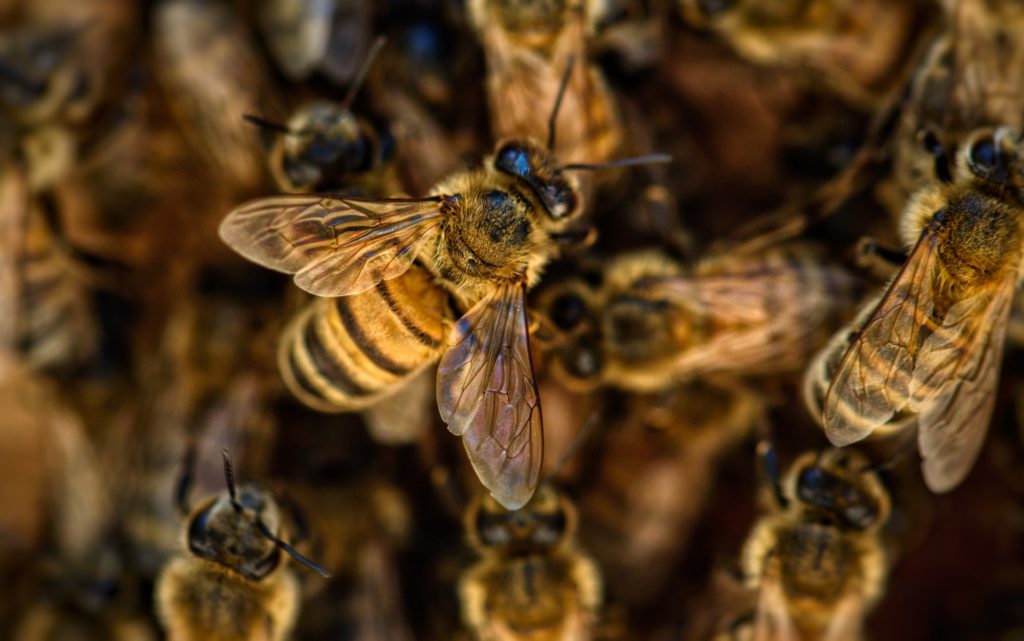
Scientists across the world are warning that we are in the midst of an “insect apocalypse,” due in large part to the overuse of toxic pesticides. Bees and other pollinators — responsible for one in three bites of food we eat — are among the insects in great peril. These small but important creatures are the basis of the food webs that feed us and are essential to maintaining a livable planet. That’s why our Bee-Friendly Retailer Campaign is calling on grocery stores to commit to end the routine and unnecessary use of toxic pesticides in their supply chains and to offer more organic food.
To spur a race to the top, Friends of the Earth’s retailer scorecard benchmarks 25 of the largest U.S. grocery stores on pesticides and pollinator health. The choices these powerful companies make could determine whether bees and so many other essential insects will exist in the future.
It is critical that retailers leverage their market power to reduce use of pesticides that contribute to the biodiversity and climate crises and that harm human health. They must also help grow the organic sector. By prohibiting more than 900 toxic pesticides allowed in conventional agriculture, organic farms support biodiversity. The increased populations of beneficial insects, birds, mammals, reptiles, and soil organisms on organic farms maintain the web of life and help ensure that we can feed ourselves and future generations. And organic farming also protects farmworkers and consumers from the health harms of toxic pesticides. Learn more about the benefits of organic and why organic is a leading form of regenerative agriculture.
Friends of the Earth is asking grocery stores to:
- Reduce Pesticides: Establish a pollinator protection policy that includes the phase out of key pollinator-toxic pesticides, including neonicotinoids, organophosphates, and glyphosate, as well as implementation of least-toxic pest management strategies in the company’s supply chain.
- Grow Organic: Increase USDA certified organic food and beverages to 15 percent of overall grocery sales, prioritizing U.S. farmers.
- Increase Transparency: Publicly disclose company policies and progress related to these actions.
Media
Home and garden retailers
When Friends of the Earth and allies launched a campaign to get pollinator-toxic pesticides out of plants labeled as “bee-friendly” at home and garden stores, more than 140 companies responded by eliminating neonicotinoid pesticides in their supply chains. That includes the two largest garden stores in the world, Home Depot and Lowe’s.
Now, we are calling on Home Depot and Lowe’s to reject Roundup. Roundup weedkiller is linked to cancer, the decimation of monarch butterfly populations, and harm to bees. Learn more.
Growing retailer momentum to back the bees
We need grocery stores to take action. Thanks to the efforts of thousands of Friends of the Earth members, we’re already seeing stores take steps to back the bees. Our efforts have put pesticides on the sustainability agenda of the largest U.S. grocery stores. Since we started in 2017, over half the companies on our Bee-Friendly Retailer Scorecard have established pollinator health policies. Kroger, Walmart, Giant Eagle, Whole Foods, and Meijer have leading policies that require all of their fresh produce suppliers to get third-party certifications that verify their implementation of Integrated Pest Management. And other retailers have policies that encourage food and beverage suppliers to reduce use of toxic pesticides that harm pollinators, people and the planet.
These are significant first steps, but given the scale of the biodiversity, climate and health impacts of pesticides, we need companies to build on their initial commitments and act with urgency to phase out toxic pesticides and support the shift to organic and other ecological farming approaches in their food supply chains.
Learn more about our ongoing efforts to push Target to adopt a leading policy aimed at reducing the use of toxic pesticides in its supply chain.
Friends of the Earth, along with our millions of members and over 100 ally organizations representing beekeepers, farmers, farmworkers and environmentalists, will continue to push grocery stores to change their practices and hold those that fail to do so accountable.
With your help, we can protect bees and butterflies from toxic pesticides and ourselves along with them. Join us!
Independent grocery stores lead on bee-friendly organic
Friends of the Earth surveyed independent grocery stores across the country to see how they measure up on bee-friendly organic food. Ninety four percent of these retailers (34 of 36) reported exceeding the benchmark that Friends of the Earth has challenged the largest U.S. grocery stores to meet: increasing certified organic offerings to 15% of total sales or products. Sixty-four percent (23 of 26) report that over 50% of their total sales are organic. These stores are leading the way on offering consumers bee-friendly food and are helping to reduce the use of toxic pesticides on farms in the U.S. and beyond.
Grocery retailers will feel the sting of pollinator loss
Bees and other pollinators are a cornerstone to a dependable food supply. They contribute up to $577 billion to the global economy annually. Because pesticides are a threat to pollinators, they’re a threat to retailers’ bottom lines. A recent Friends of the Earth report found that the U.S. food retail sector’s use of pesticides on just four crops could result in $219 billion in financial, climate, and biodiversity risks between now and 2050.
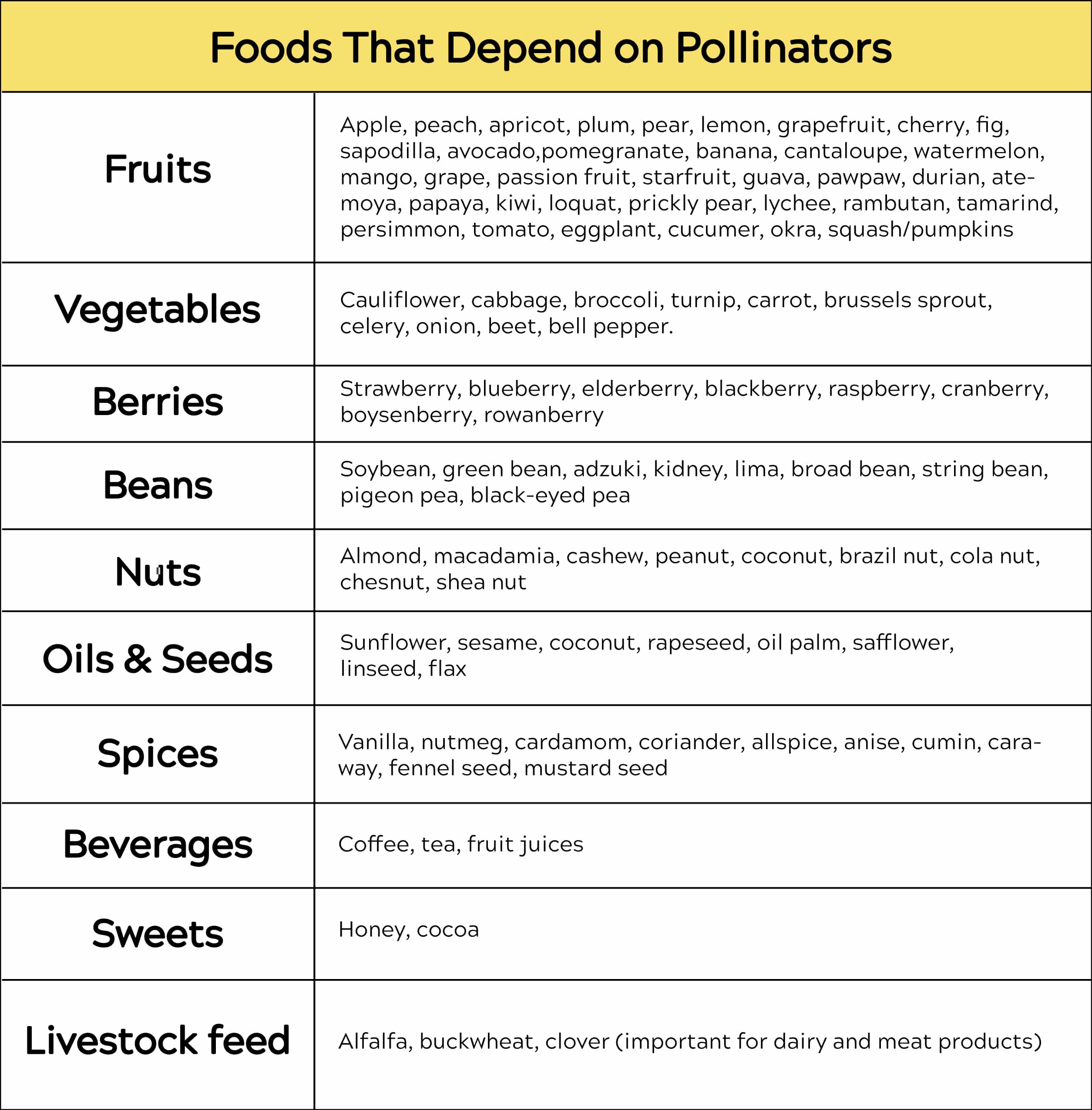
Without pollinators, grocery stores would run short of a wide assortment of fruits and vegetables, nuts, beans and delicious favorites like chocolate and coffee. And because bees pollinate alfalfa and other crops eaten by cows, even the dairy and meat shelves would look bare.
Does your grocery store make the grade?
We ranked the top US grocery stores on protecting pollinators from toxic pesticides
Resources
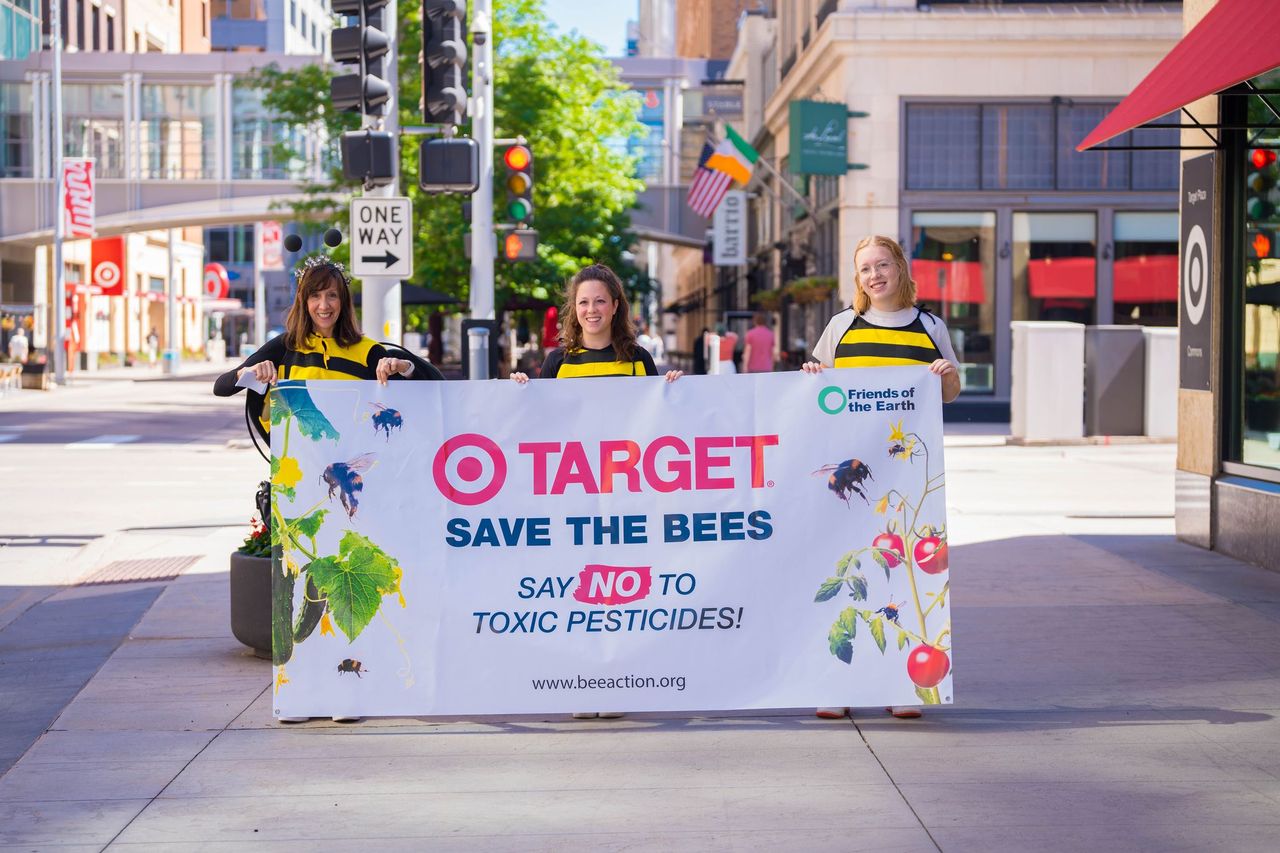
Tell Target to Save the Bees
Target’s food has tested positive for toxic pesticides that kill bees and monarch butterflies — putting our food system at risk.
Tell Target to use its purchasing power to save the bees by phasing out bee-killing pesticides.
Ways to Support Our Work

Read Latest News
Stay informed and inspired. Read our latest press releases to see how we’re making a difference for the planet.

See Our Impact
See the real wins your support made possible. Read about the campaign wins we’ve fought for and won together.

Donate Today
Help power change. It takes support from environmental champions like you to build a more healthy and just world.